Dry aging Vs Wet aging
Introduction
If you’re passionate about premium beef, you’ve likely heard the debate: dry aging vs wet aging. Both methods tenderize meat and enhance flavor, but they deliver very different results. Let’s break down the science, the benefits, and why the right equipment matters.
What is Dry Aging?
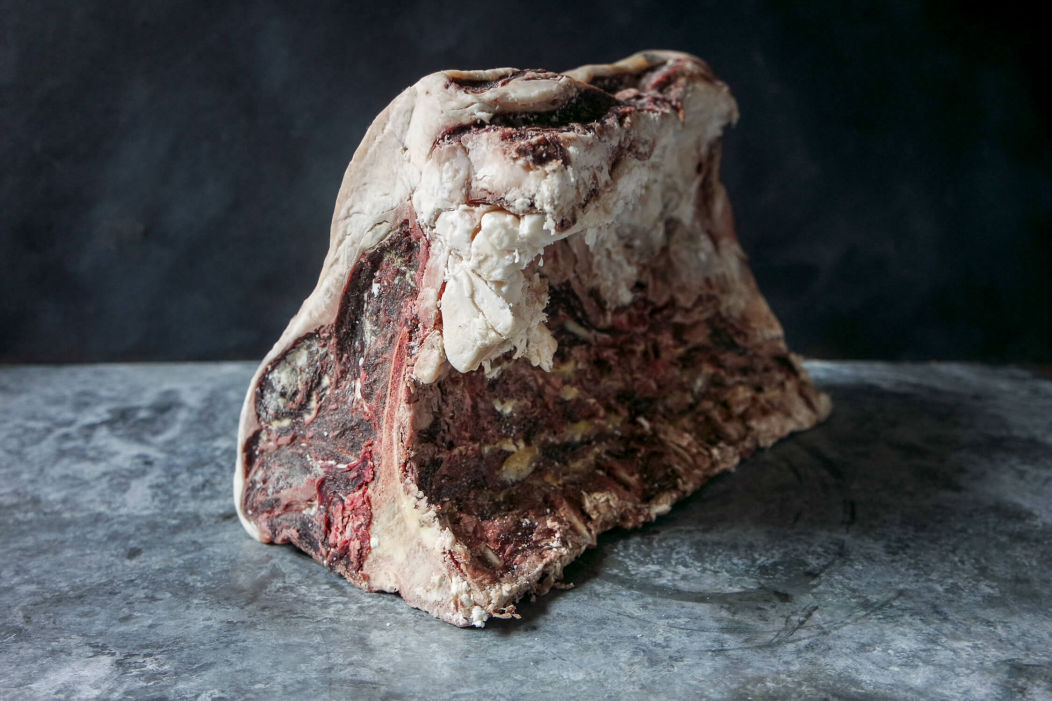
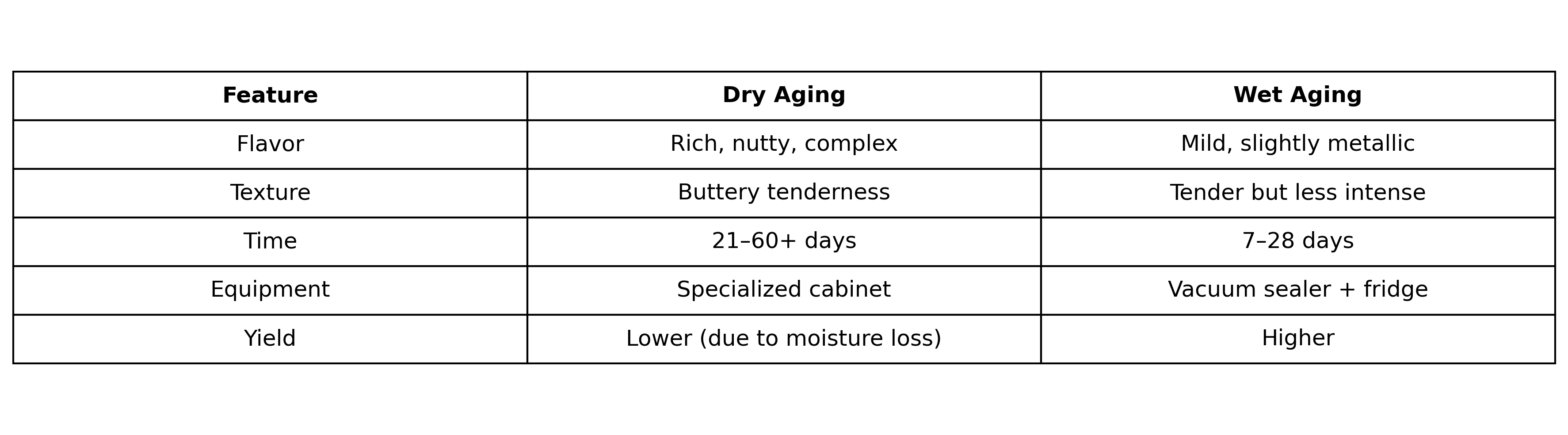
Dry aging is the traditional, artisanal method where beef is stored in a temperature-, humidity-, and airflow-controlled cabinet for 21–60+ days.
During this process:
- Moisture slowly evaporates, concentrating flavor.
- Natural enzymes break down muscle fibers, creating buttery tenderness.
- The beef develops a rich, nutty, and complex flavor profile.
Dry aging requires precision and consistency, which is why professional chefs and butchers rely on Meatico dry-aging cabinets. With dedicated electronics and Everlasting App control, you can monitor and adjust your process anywhere — ensuring perfect results every time.
What is Wet Aging?
Wet aging is a modern method where beef is vacuum-sealed and refrigerated for 7–28 days.
In this method:
- The meat ages in its own juices for a milder flavor.
- There’s no moisture loss, giving higher yield.
- It’s cost-effective and doesn’t require specialized equipment.
Which Should You Choose?
If you want maximum flavor, prestige, and an unforgettable dining experience, dry aging is the gold standard.
If cost matter more, wet aging offers a faster, more economical solution.
Final Tip: For chefs, restaurants, and butchers looking to stand out, dry-aged beef delivers a premium product that customers remember — and come back for.
Our Solutions
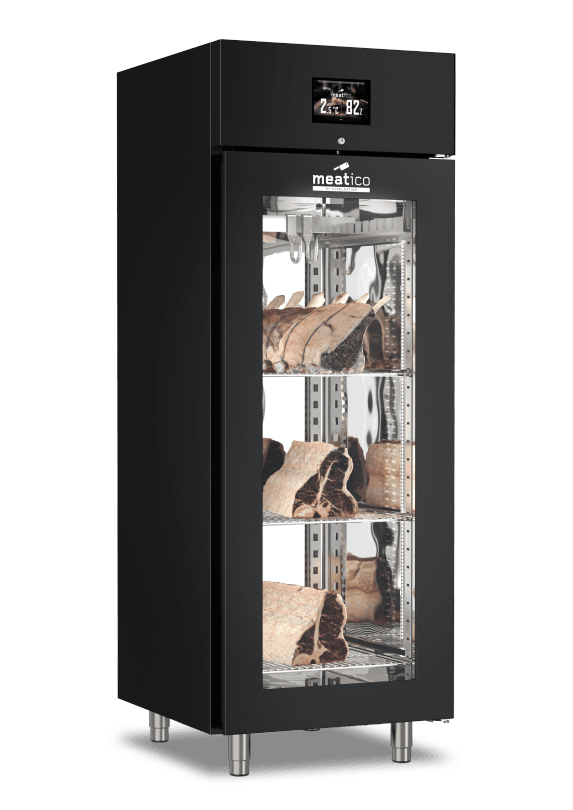
Meat Dry Aging Cabinets
Professional meat dry aging cabinets with advance temperature, humidity, and airflow control.

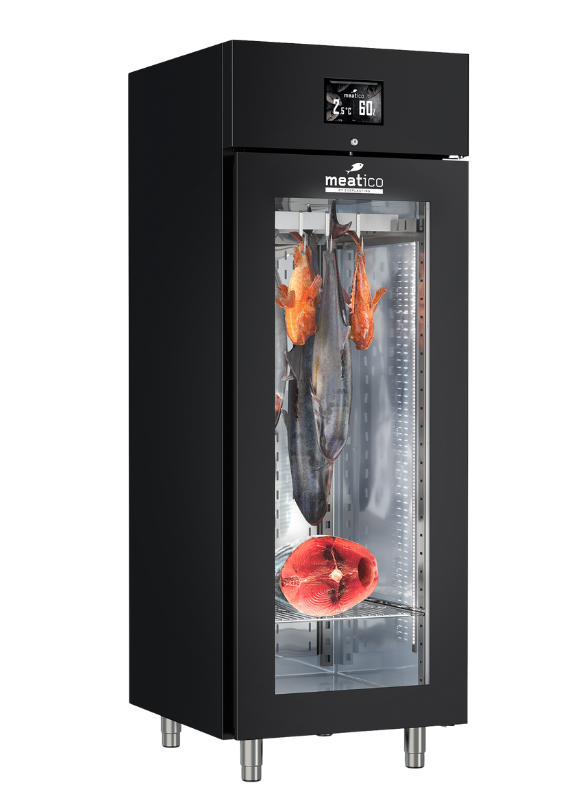
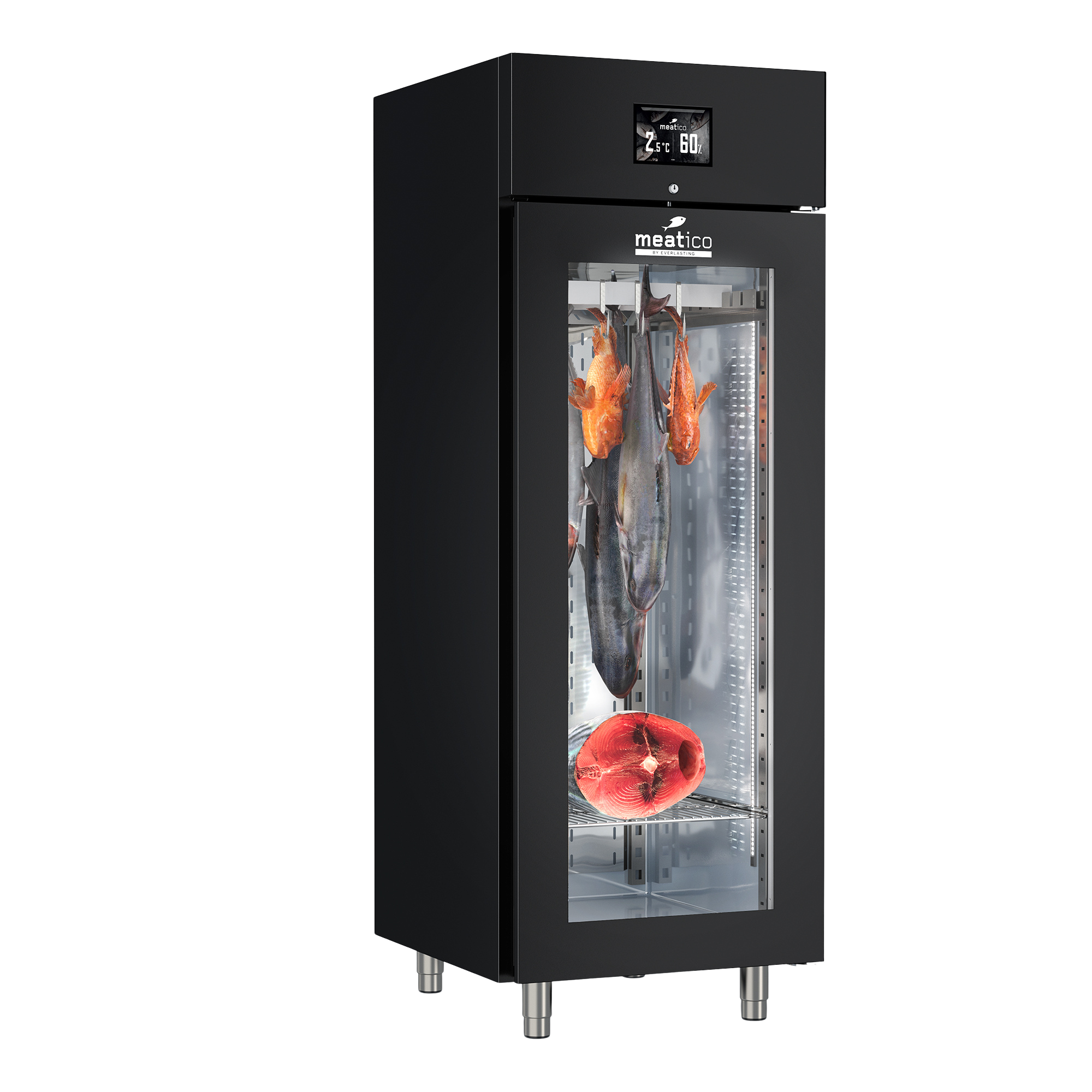
Fish Dry Aging Cabinets
Professional fish dry aging cabinets featuring soft-air ventilation with advance temperature and humidity control.
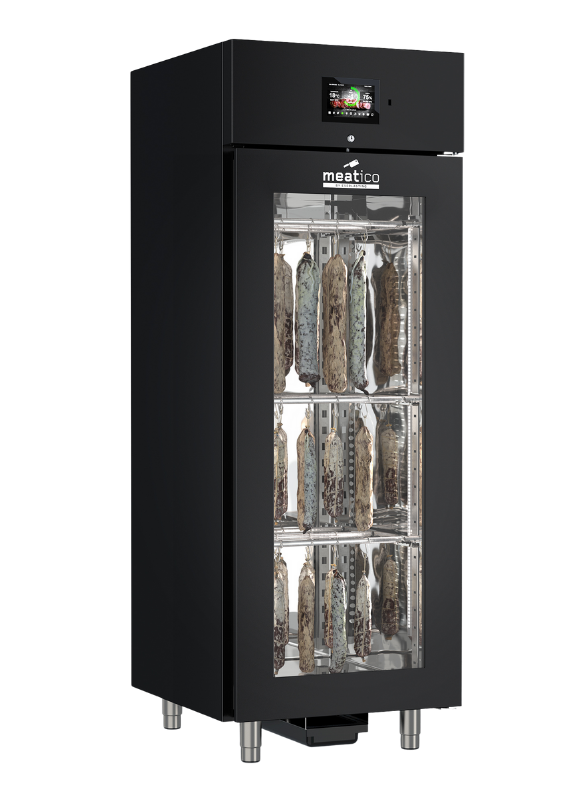
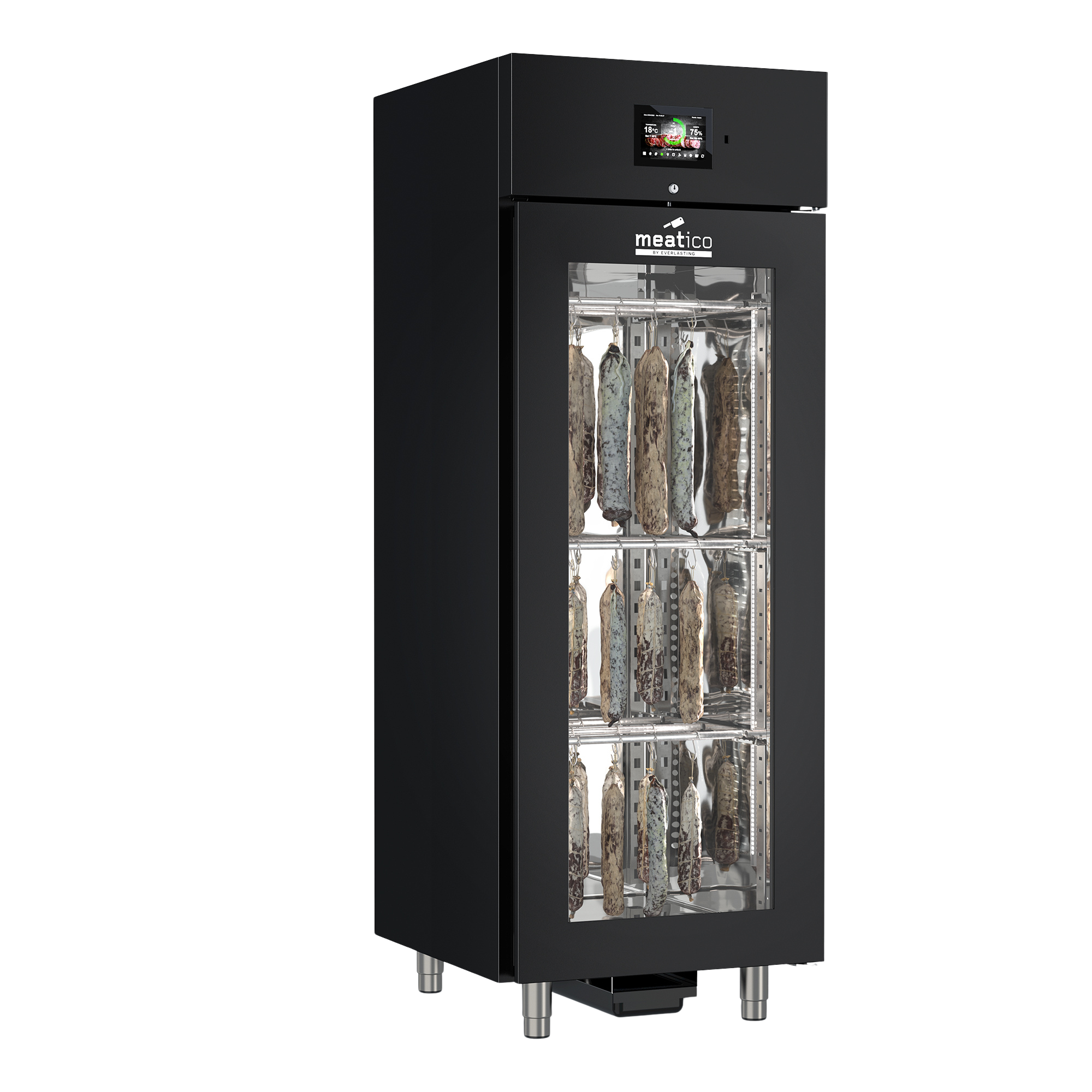
Charcuterie and Cheese
Cabinets
Professional charcuterie curing and Cheese ripening cabinets with precise climate control for consistent maturation.
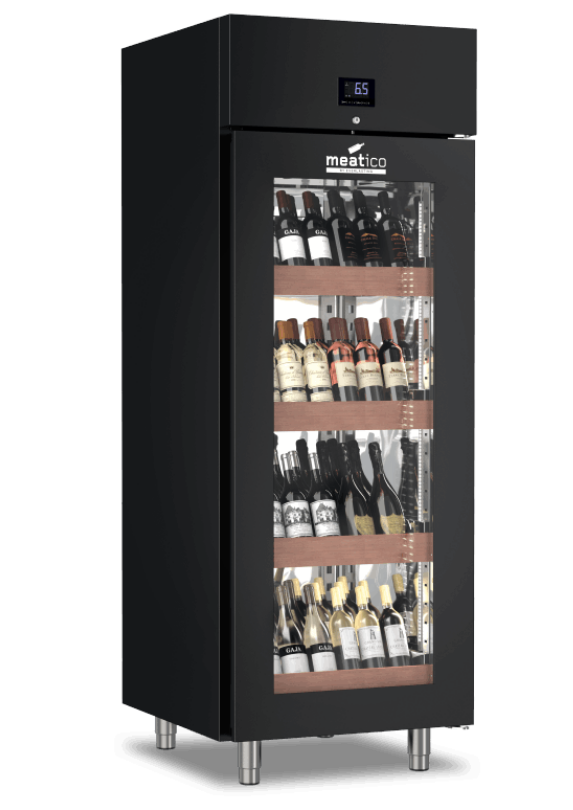
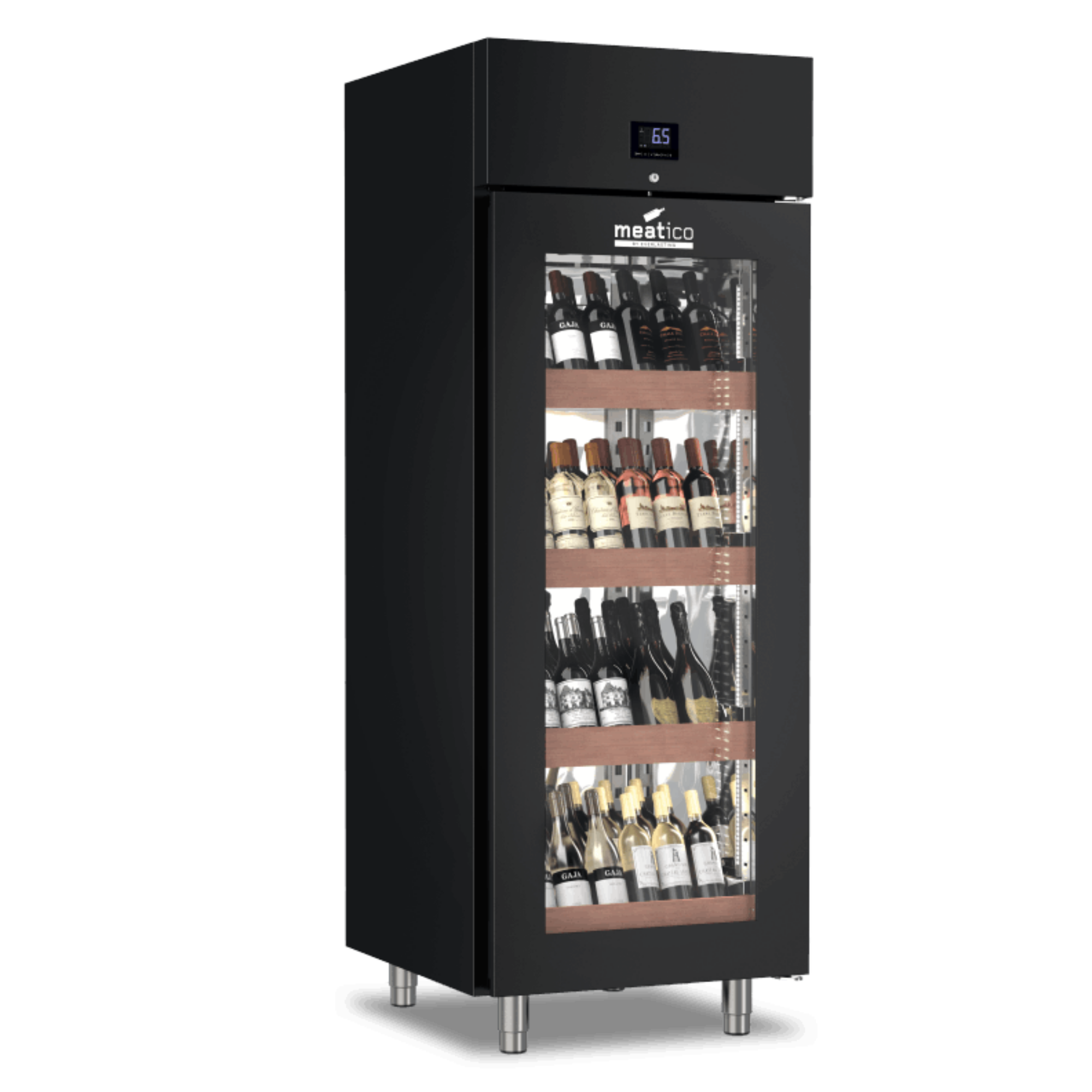
Wine Cabinets
Professional wine storage cabinets with precise temperature and humidity control, featuring drawer systems for smooth access and presentation.