How Should Wine Be Stored?
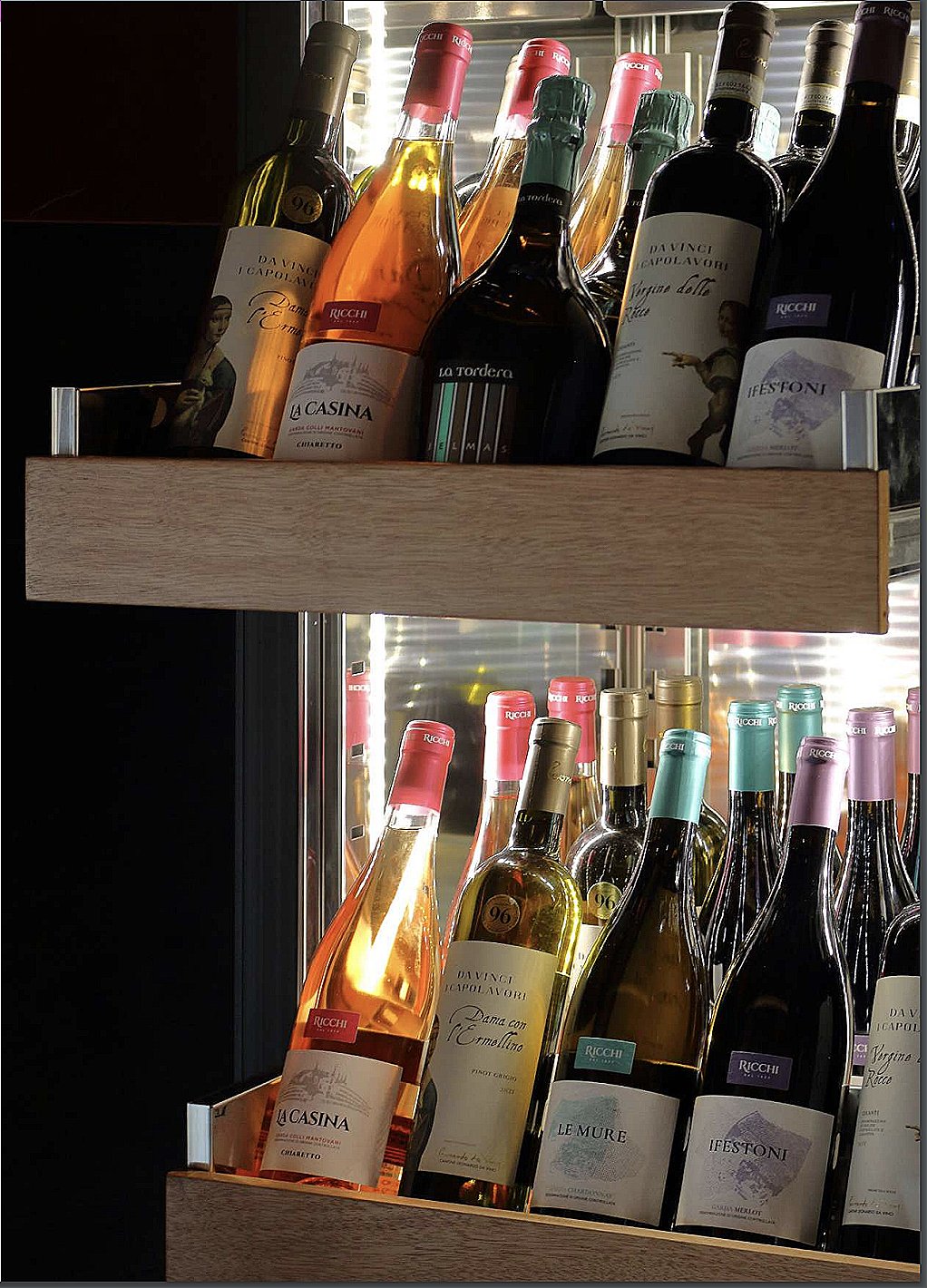
How Should Wine Be Stored?
Proper wine storage is about more than just keeping bottles cool. To preserve flavour, protect the cork, and ensure wine ages as intended, you need a stable environment that manages temperature, humidity, and storage duration.
Whether you’re storing red or white wine, understanding these basics makes all the difference.
The most important rule: keep conditions stable
Wine is sensitive to environmental changes. Fluctuations in temperature or humidity can damage corks, affect flavour, and accelerate aging.
Good storage always means:
✔ Consistent temperature
✔ Controlled humidity
✔ Minimal light exposure
✔ Limited vibration
Stability is far more important than small temperature differences between wines.
Red vs White Wine Storage Temperature
Both red and white wine should be stored cool — but not frozen or overly cold.
Red wine storage
- Ideal storage range: 12–15°C
- Slightly warmer than whites
- Designed for slow, stable aging
White wine storage
- Ideal storage range: 8–12°C
- Cooler than reds to preserve freshness and acidity
If you only have one storage zone, around 12°C works safely for both long-term storage. Serving temperatures can always be adjusted later.
High vs Low Humidity — When to Use Each
Humidity mainly protects the cork. If corks dry out, air enters the bottle and wine oxidises. But too much humidity can damage labels or create hygiene issues.
Use HIGH humidity when:
✔ Storing wine long term
✔ Bottles have natural corks
✔ Aging premium or collectible wines
✔ Preservation is the priority
Higher humidity keeps corks expanded and sealed, which is essential for proper maturation.
Use LOW humidity when:
✔ Storing wine short to medium term
✔ Displaying bottles in restaurants or retail
✔ Bottles are frequently handled
✔ You want to protect labels and packaging
Lower humidity keeps the environment cleaner and more practical for high turnover.
The takeaway
Wine storage isn’t complicated — but it does require control. The right temperature slows aging to the perfect pace, and the right humidity protects the cork and preserves quality.
When temperature and humidity remain stable, wine develops exactly as the winemaker intended — whether you’re storing bottles for months or for many years.
And in wine storage, consistency is everything.
Our Solutions
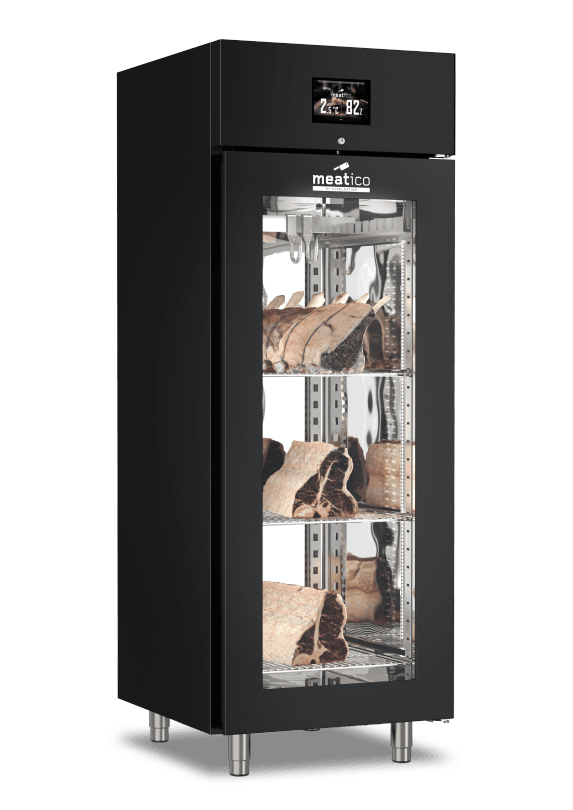
Meat Dry Aging Cabinets
Professional meat dry aging cabinets with advance temperature, humidity, and airflow control.

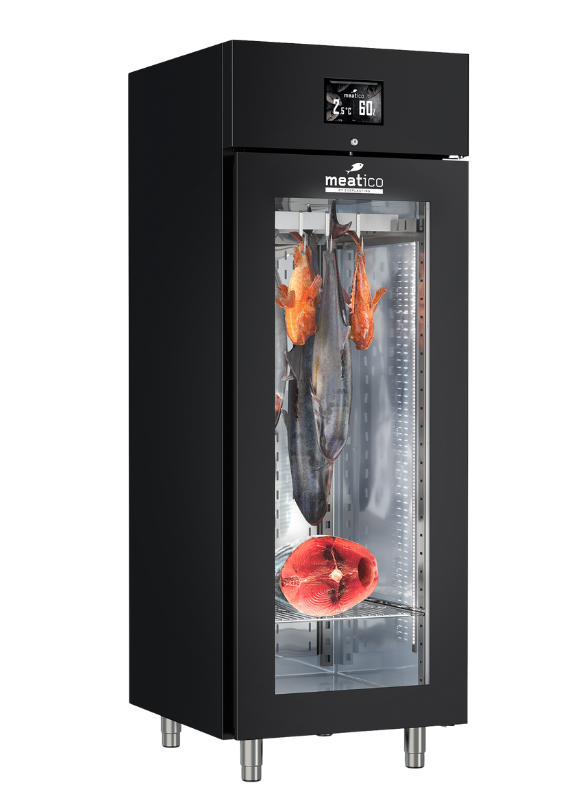
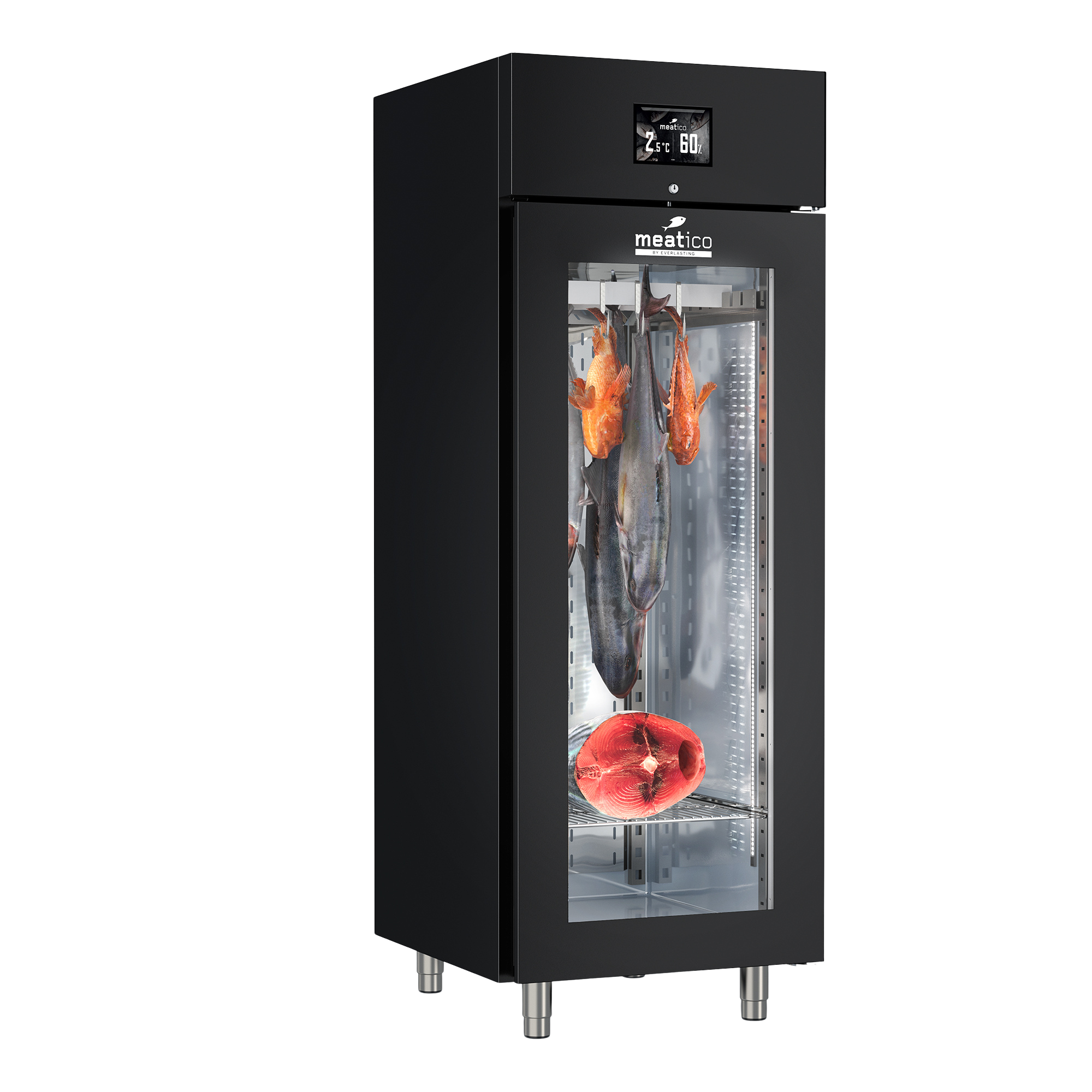
Fish Dry Aging Cabinets
Professional fish dry aging cabinets featuring soft-air ventilation with advance temperature and humidity control.
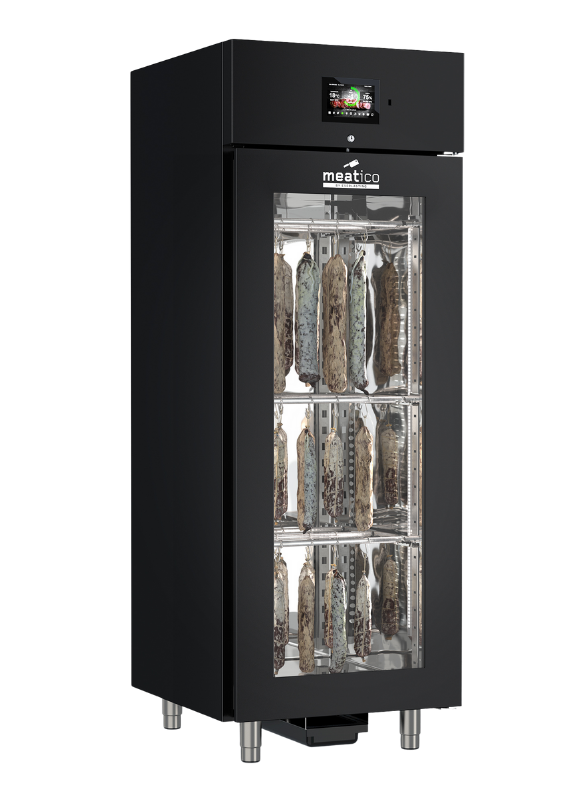
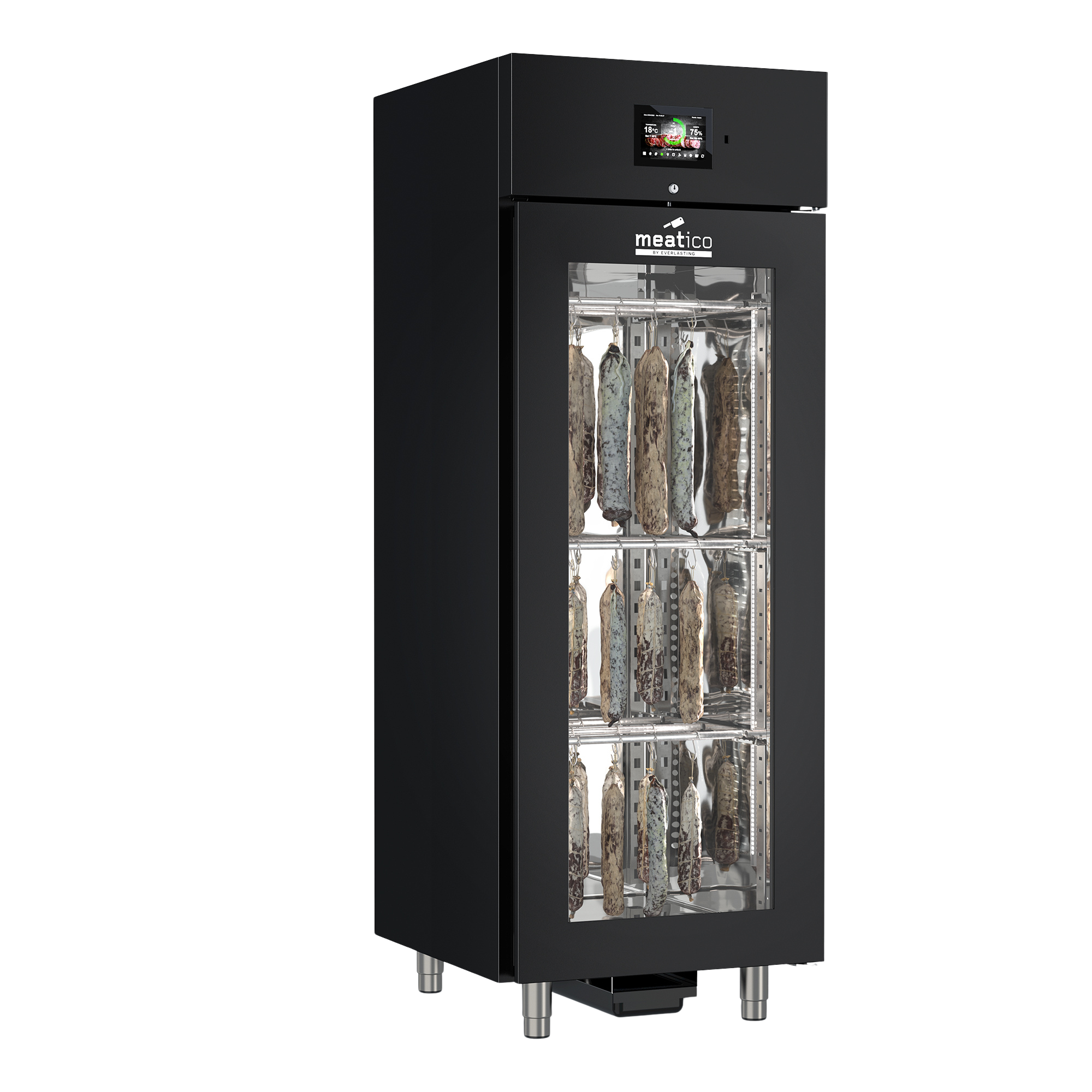
Charcuterie and Cheese
Cabinets
Professional charcuterie curing and Cheese ripening cabinets with precise climate control for consistent maturation.
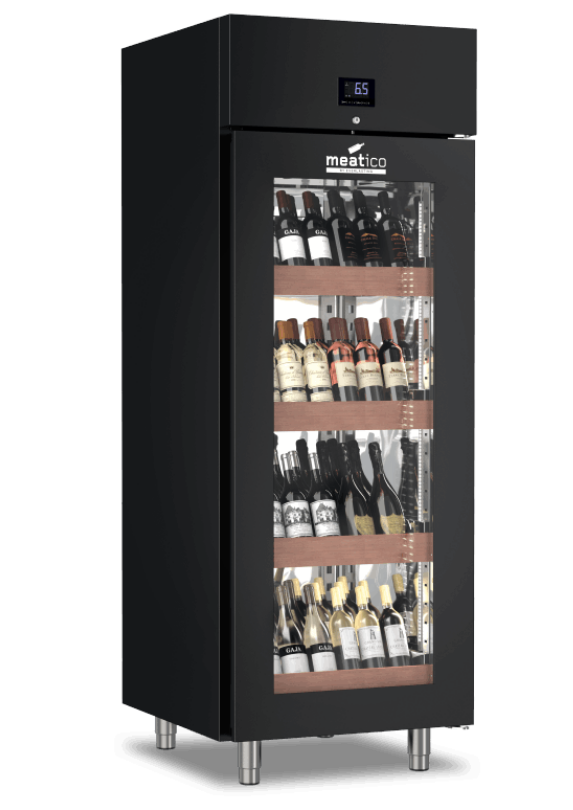
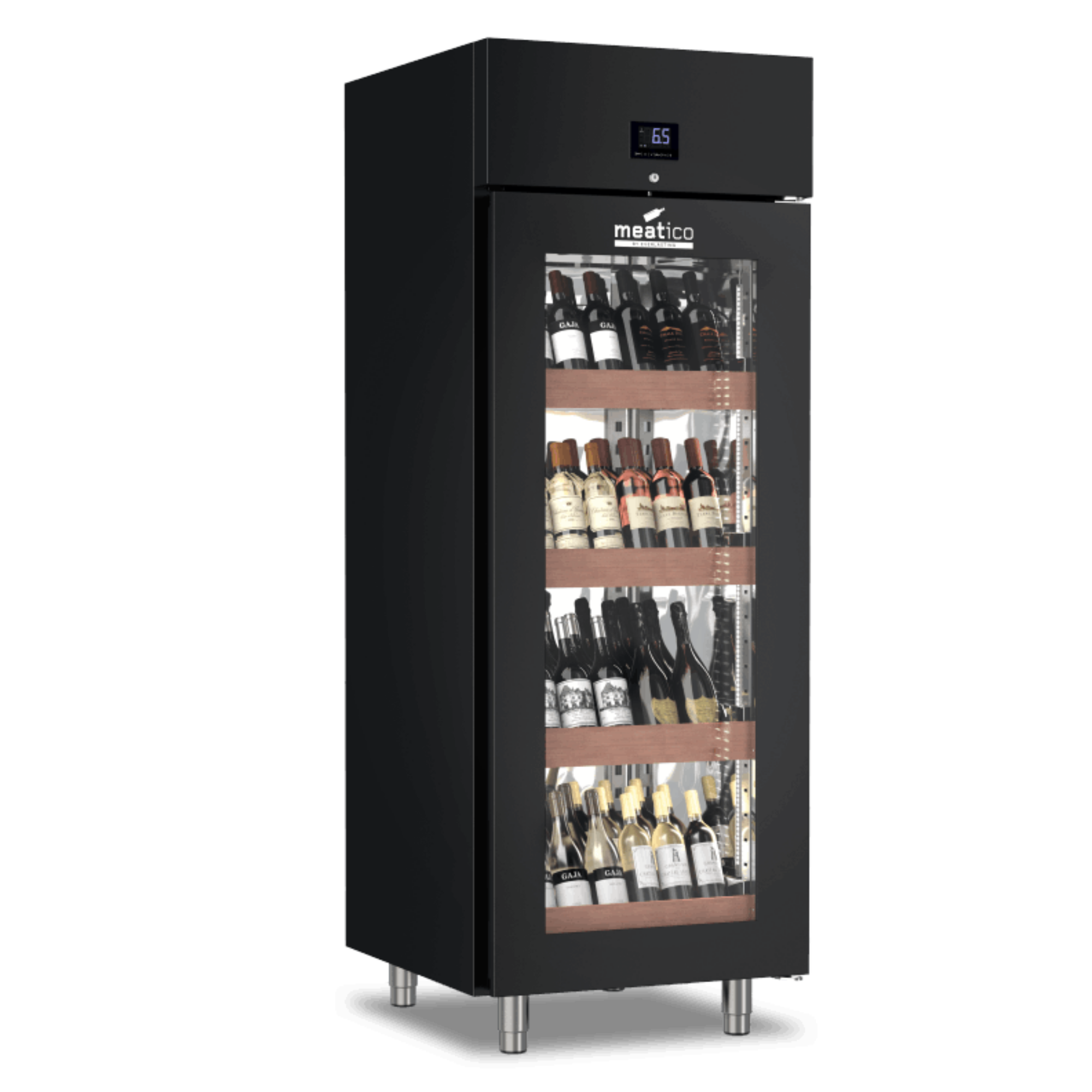
Wine Cabinets
Professional wine storage cabinets with precise temperature and humidity control, featuring drawer systems for smooth access and presentation.