What Is Dry Aging?
What Is Dry Aging?
If you’ve ever tasted a truly exceptional steak — one that’s incredibly tender, deeply flavourful, and almost buttery in texture — there’s a good chance it was dry aged. But what exactly does “dry aging” mean, and why has it become such a prized process among chefs, butchers, and food enthusiasts around the world?
Let’s break it down.
The Basics: What Is Dry Aging?
Dry aging is a carefully controlled process where meat is stored for an extended period of time in a precise environment of temperature, humidity, and airflow. During this time, two important things happen:
- Moisture slowly evaporates, concentrating the natural flavours of the meat.
- Natural enzymes break down muscle fibres, making the meat more tender.
Unlike fresh meat, which can sometimes be firm or mild in flavour, dry aged meat develops a deeper, richer taste — often described as nutty, buttery, or intensely savoury (umami).
The result is not just food — it’s an experience.
Why Time Matters
Dry aging isn’t something that happens overnight. The process can take anywhere from two weeks to several months, depending on the desired flavour and texture.
- 14–21 days – Improved tenderness, subtle flavour enhancement
- 30–45 days – Noticeably richer, more complex taste
- 60+ days – Deep, bold, highly concentrated flavour profile
Time transforms the meat — but only if the environment is perfectly controlled.
That’s the crucial part
The Science Behind the Process
Dry aging works because of precision.
If the temperature is too high, the meat spoils.
If humidity is too low, it dries out too quickly.
If airflow is uneven, the aging process becomes inconsistent.
Professional dry aging requires a stable environment that carefully balances:
✔ Temperature stability
✔ Controlled humidity
✔ Continuous, even airflow
✔ Hygienic conditions
✔ Reliable monitoring
When these elements work together, the process becomes safe, consistent, and repeatable — producing premium-quality results every time.
Why Not Just Use a Regular Fridge?
This is one of the most common questions — and the answer is simple.
A normal fridge is designed to store food, not transform it.
Standard refrigeration systems don’t regulate humidity precisely, airflow is inconsistent, and temperature often fluctuates when the door is opened. Over time, these small changes can lead to uneven aging, spoilage risks, or unpredictable results.
Dry aging is a craft and like any craft, it needs the right tools
Modern Dry Aging: Precision Meets Tradition
For centuries, dry aging was done in dedicated aging rooms by skilled butchers. Today, technology has made it possible to achieve those same professional conditions with far greater precision, consistency, and control.
Modern dry aging cabinets create a perfectly balanced environment that allows meat to mature safely and evenly — without guesswork.
This means:
- Consistent results
- Greater hygiene control
- Reduced product loss
- Easier monitoring
- Repeatable flavour development
In short, they make professional dry aging accessible, reliable, and efficient.
Elevating the Art of Dry Aging
At its core, dry aging is about patience, precision, and respect for the product. It’s a process that enhances what nature already created — slowly refining flavour and texture until the meat reaches its full potential.
But achieving that level of refinement requires equipment designed specifically for the task.
That’s where advanced dry aging technology makes the difference.
Systems engineered with precise climate control, intelligent airflow design, and reliable remote monitoring allow professionals to manage every detail of the aging process with confidence. The result is a stable environment where flavour develops naturally and consistently — exactly as intended.
For those who take dry aging seriously, control isn’t a luxury — it’s essential.
The Takeaway
Dry aging is more than a method of storing meat. It’s a carefully controlled transformation that enhances flavour, improves tenderness, and elevates quality to a completely different level.
But the magic doesn’t happen by chance.
It happens when time, environment, and precision work together — perfectly.
And when the conditions are right, the results speak for themselves.
Our Solutions
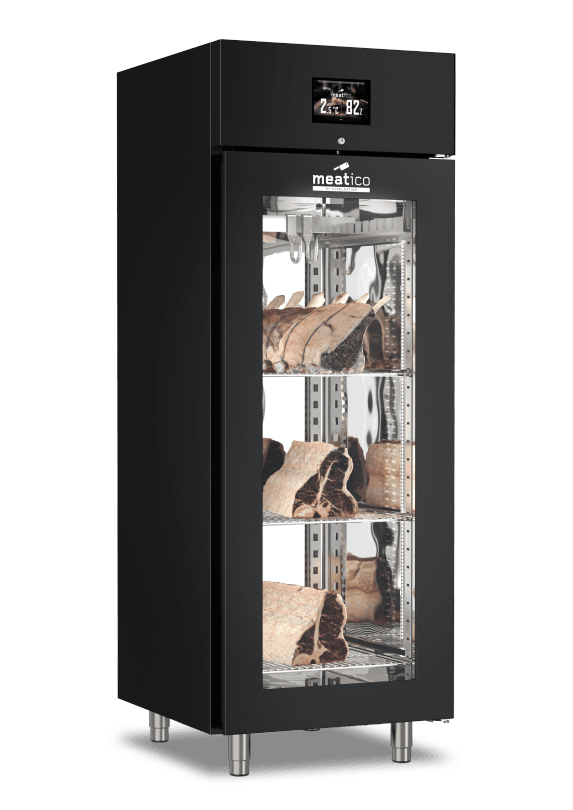
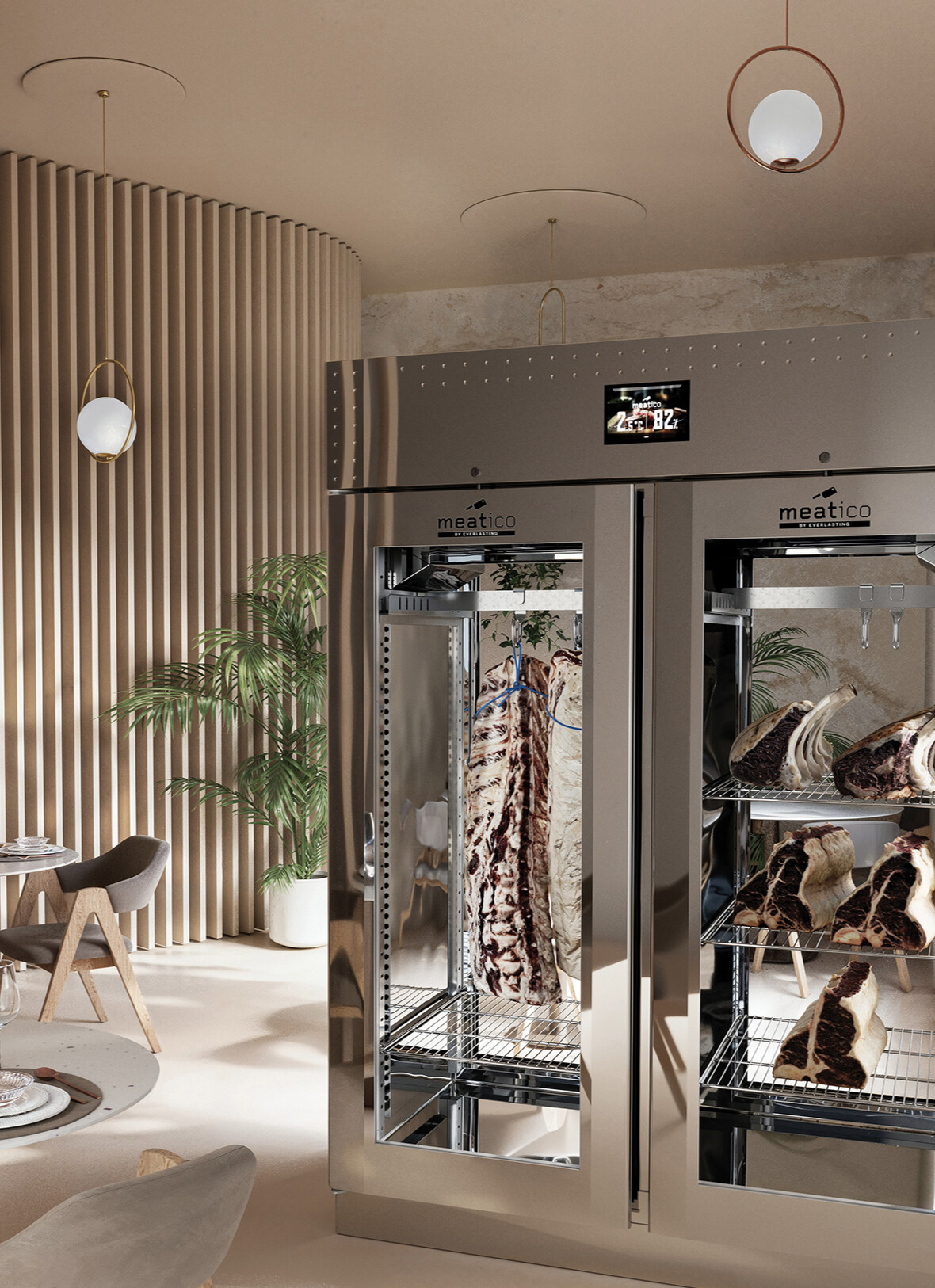
Meat Dry Aging Cabinets
Professional meat dry aging cabinets with advance temperature, humidity, and airflow control.

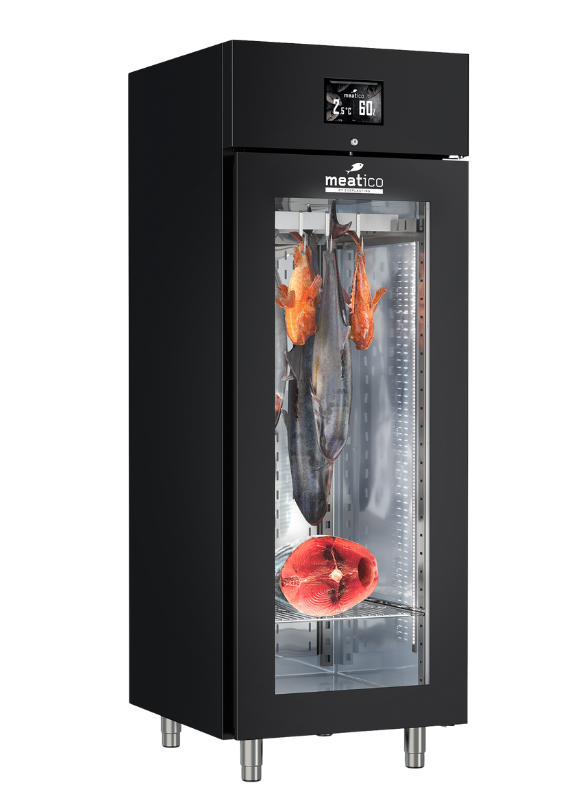
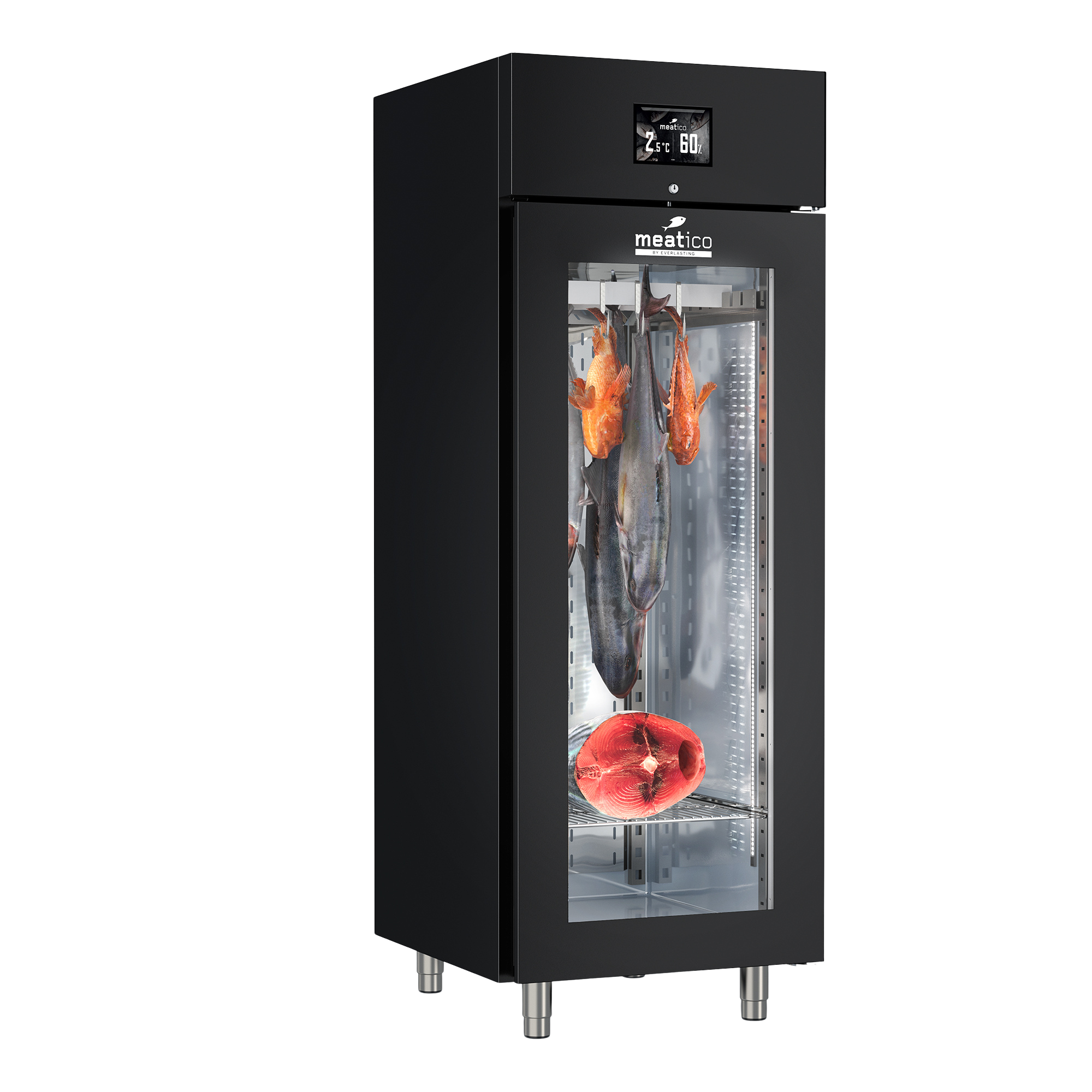
Fish Dry Aging Cabinets
Professional fish dry aging cabinets featuring soft-air ventilation with advance temperature and humidity control.
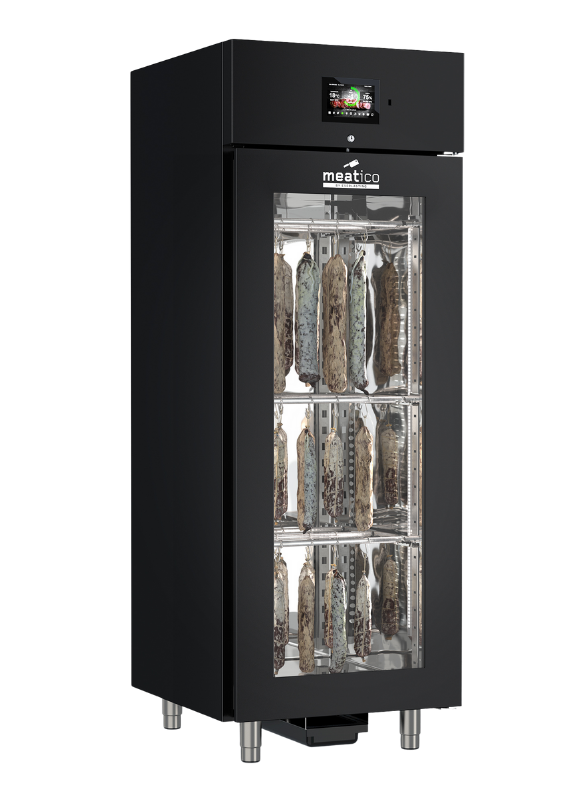
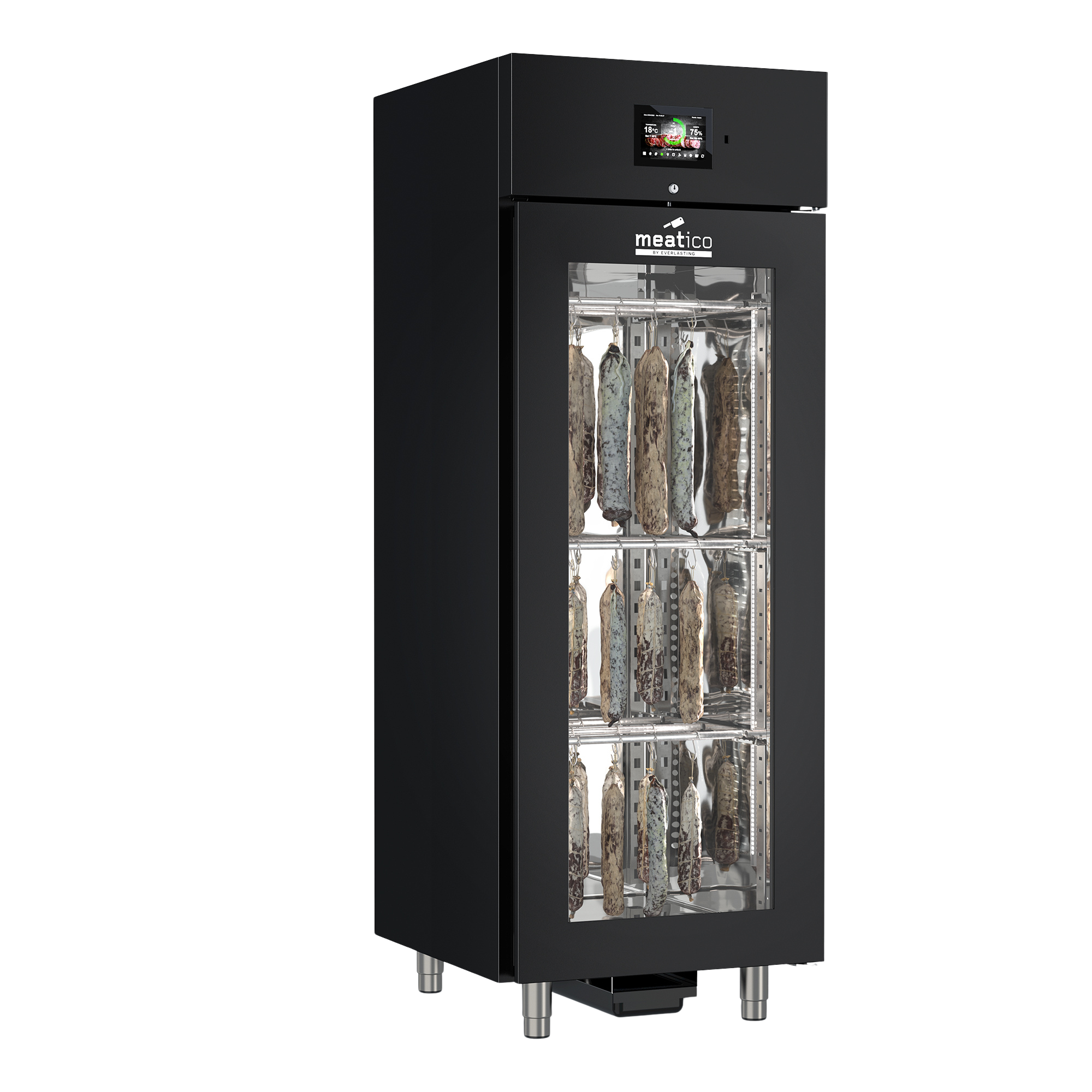
Charcuterie and Cheese
Cabinets
Professional charcuterie curing and Cheese ripening cabinets with precise climate control for consistent maturation.
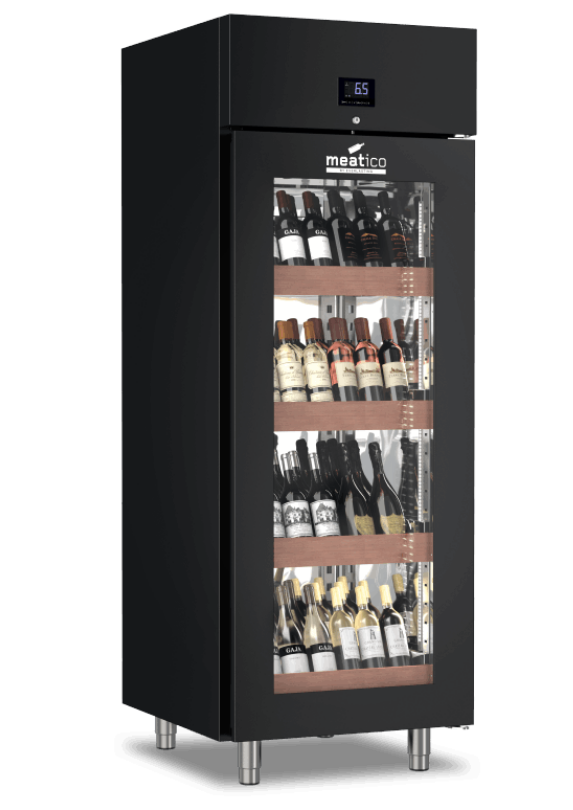
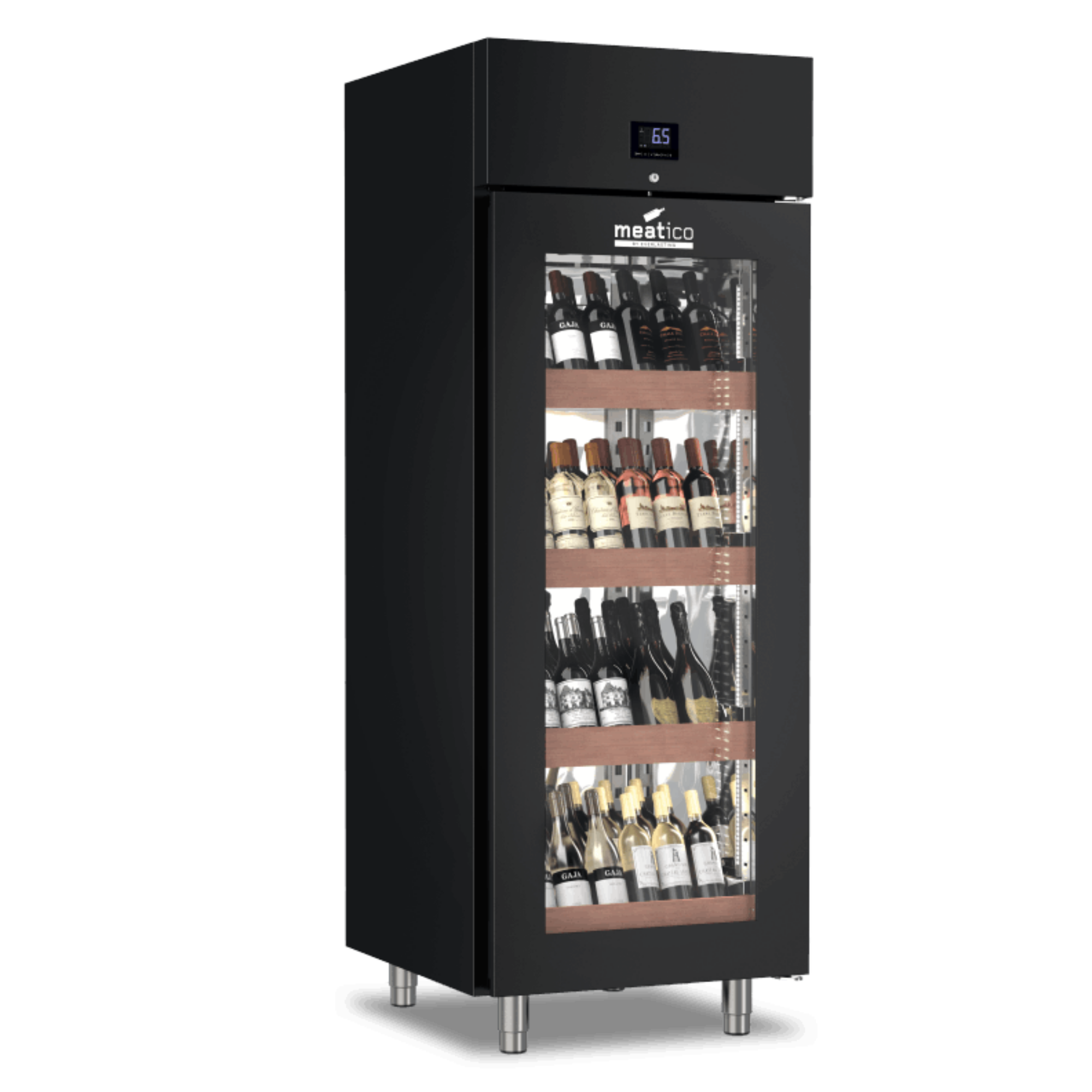
Wine Cabinets
Professional wine storage cabinets with precise temperature and humidity control, featuring drawer systems for smooth access and presentation.