Why Do You Dry Age Fish?
Why Do You Dry Age Fish? The Science, the Skill, and Why Precision Matters
Dry aging is often associated with premium cuts of beef — but in the culinary world, chefs have increasingly discovered the remarkable results that dry aging can achieve with fish. When done correctly, dry aging fish transforms texture, intensifies flavour, and creates a level of quality that simply isn’t possible with fresh, untreated seafood.
But unlike meat, fish is far more delicate. That’s what makes the process both incredibly rewarding — and incredibly difficult.
Let’s explore why fish is dry aged, and why specialised equipment is essential to doing it properly.
Why Dry Age Fish at All?
Fresh fish is prized for its clean, delicate flavour. But very fresh fish also contains a high amount of moisture and extremely fragile muscle fibres. This can make it soft, watery, and sometimes difficult to cook perfectly.
Dry aging gently changes this.
During controlled aging, excess surface moisture evaporates while natural enzymatic processes begin to refine the flesh. The result is fish that is:
✔ Firmer in texture — making it easier to portion and cook
✔ More concentrated in flavour — cleaner, richer, and more defined
✔ Better structured — holds together beautifully when seared or grilled
✔ Less watery — improving browning and overall cooking performance
Many chefs describe dry aged fish as tasting more “pure” — the natural characteristics of the species become clearer, deeper, and more refined.
In other words, dry aging doesn’t overpower the fish. It reveals it
Fish Is Not Meat — And That Changes Everything
While the idea of dry aging fish sounds similar to aging beef, the reality is completely different.
Fish is far more sensitive to environmental changes. Its muscle structure is softer, its moisture content is higher, and its biological breakdown happens much faster. Even small fluctuations in temperature or humidity can quickly lead to spoilage, texture damage, or unsafe conditions.
With fish, precision is not helpful — it’s essential.
A stable environment must carefully manage:
- Extremely consistent temperature
- Precisely controlled humidity levels
- Gentle, balanced airflow
- Strict hygiene conditions
- Continuous monitoring
If any of these elements drift out of balance, results can deteriorate quickly. Instead of refined texture and flavour, you risk uneven drying, structural breakdown, or product loss.
That’s why dry aging fish is considered one of the most technically demanding processes in professional food maturation.
Why Standard Refrigeration Doesn’t Work
A normal fridge simply isn’t designed for fish maturation.
Opening and closing the door causes temperature swings. Humidity isn’t regulated with enough precision. Airflow is inconsistent and often too harsh or too stagnant. Over time, these small instabilities compound — and with fish, small instabilities have big consequences.
Even experienced professionals struggle to achieve consistent results without equipment designed specifically for the task.
Dry aging fish successfully requires an environment that remains stable every hour of every day — not just most of the time.
The Challenge of Getting Consistent Results
Many people underestimate just how difficult it is to dry age fish properly.
You need the right balance of moisture removal without dehydration. You need airflow that protects the structure rather than stressing it. You need temperature stability that prevents bacterial growth while still allowing controlled maturation.
Most importantly, you need all of these conditions working together continuously — not independently.
This is where specialised fish dry aging systems make the difference between unpredictable experimentation and reliable, professional results.
Designed Specifically for the Needs of Fish
Because fish behaves so differently from meat, it requires a completely different environmental approach.
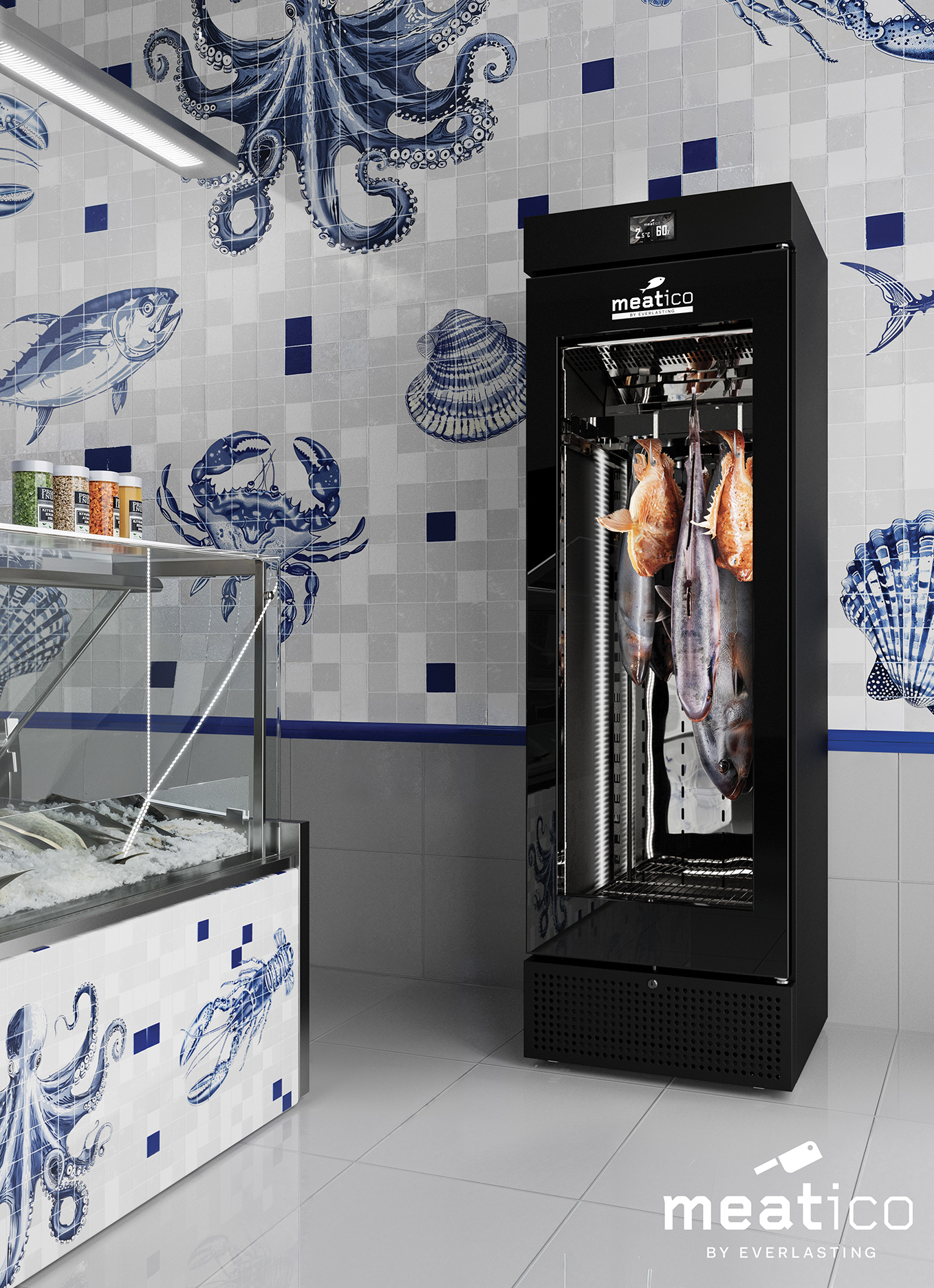
Advanced fish dry aging cabinets are engineered to create a controlled microclimate tailored to delicate protein structures. Precision humidity management prevents excessive drying. Carefully calibrated airflow protects texture while ensuring even maturation. Stable temperature control maintains safety and consistency at every stage.
When these elements are designed specifically for fish — not adapted from general refrigeration — the aging process becomes controlled, repeatable, and refined.
This is what allows professionals to produce consistent, high-quality results with confidence.
Precision Is What Makes the Difference
Dry aging fish is not just about removing moisture — it’s about guiding transformation with accuracy and stability. The margin for error is small, but the reward for precision is extraordinary.
When the environment is perfectly controlled, fish develops improved structure, enhanced flavour clarity, and exceptional cooking performance. When the environment is unstable, results become inconsistent and unreliable.
That’s why serious dry aging operations rely on systems engineered specifically for fish maturation — environments designed to support delicate biological processes rather than simply store seafood.
The Takeaway
Dry aging fish is a refined technique that elevates flavour, improves texture, and enhances overall culinary quality. But it’s also one of the most demanding forms of food maturation.
Success depends entirely on precision, stability, and control.
Without specialised equipment, achieving consistent results is extremely difficult. With the right environment, however, dry aging fish becomes a reliable process that unlocks the full potential of premium seafood.
When every variable is carefully managed, the transformation speaks for itself.
Our Solutions
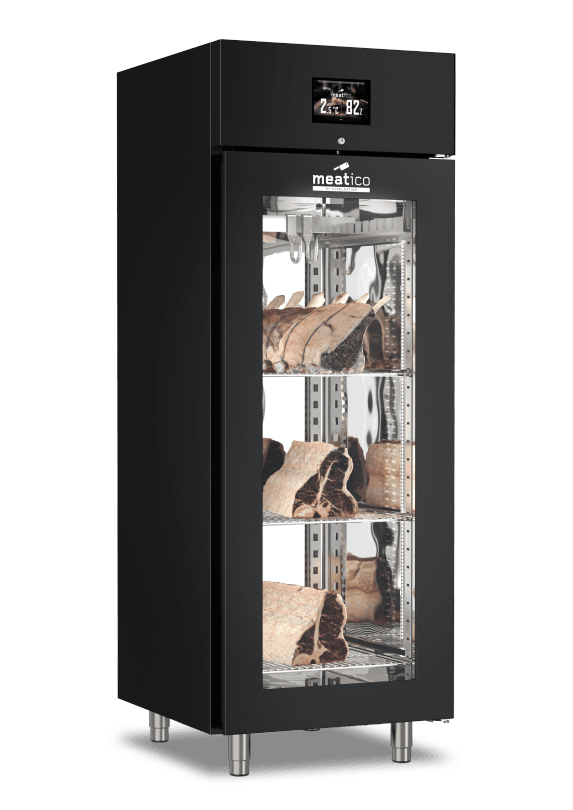
Meat Dry Aging Cabinets
Professional meat dry aging cabinets with advance temperature, humidity, and airflow control.

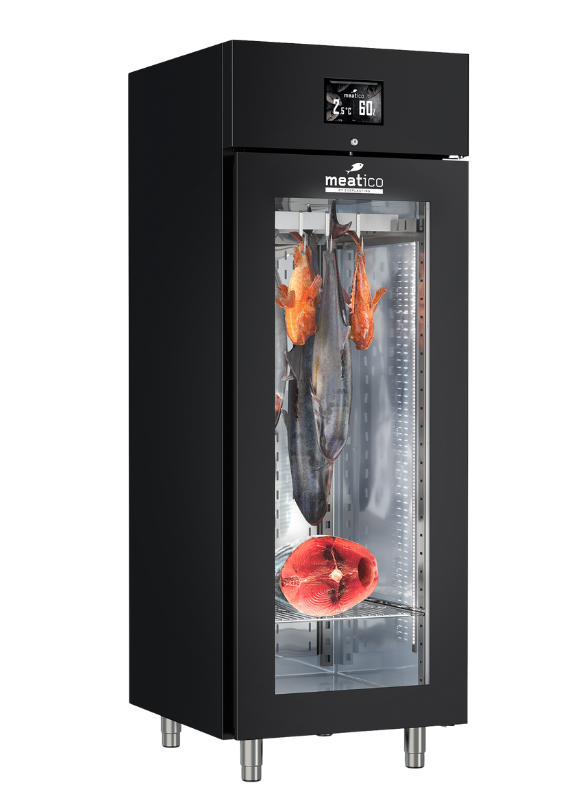
Fish Dry Aging Cabinets
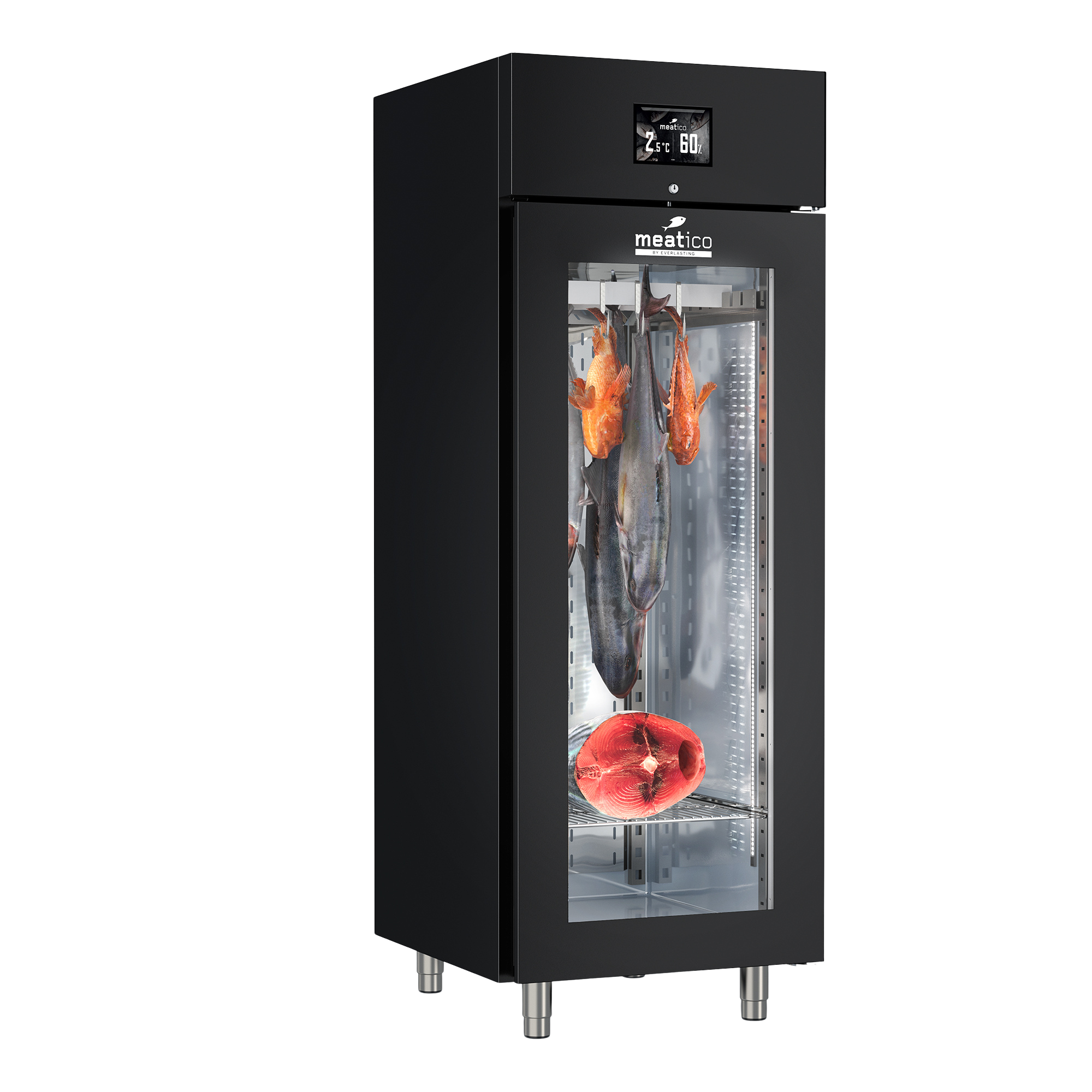
Professional fish dry aging cabinets featuring soft-air ventilation with advance temperature and humidity control.
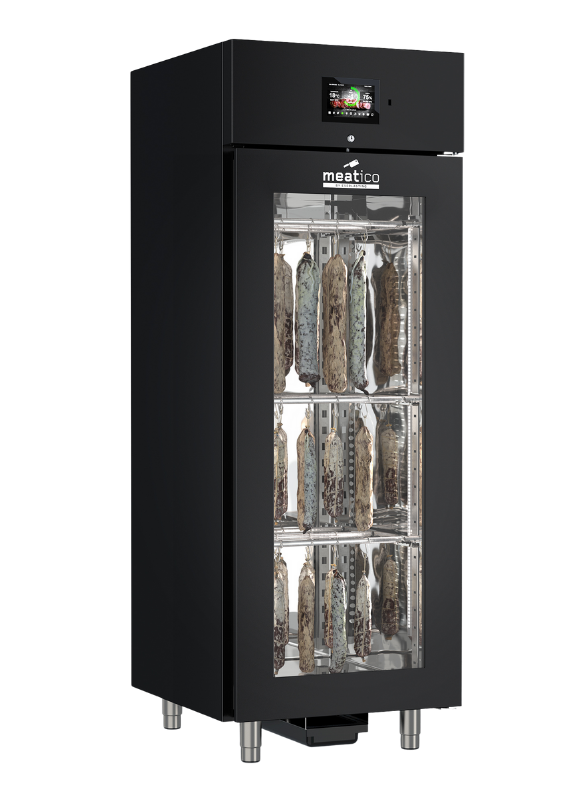
Charcuterie and Cheese
Cabinets
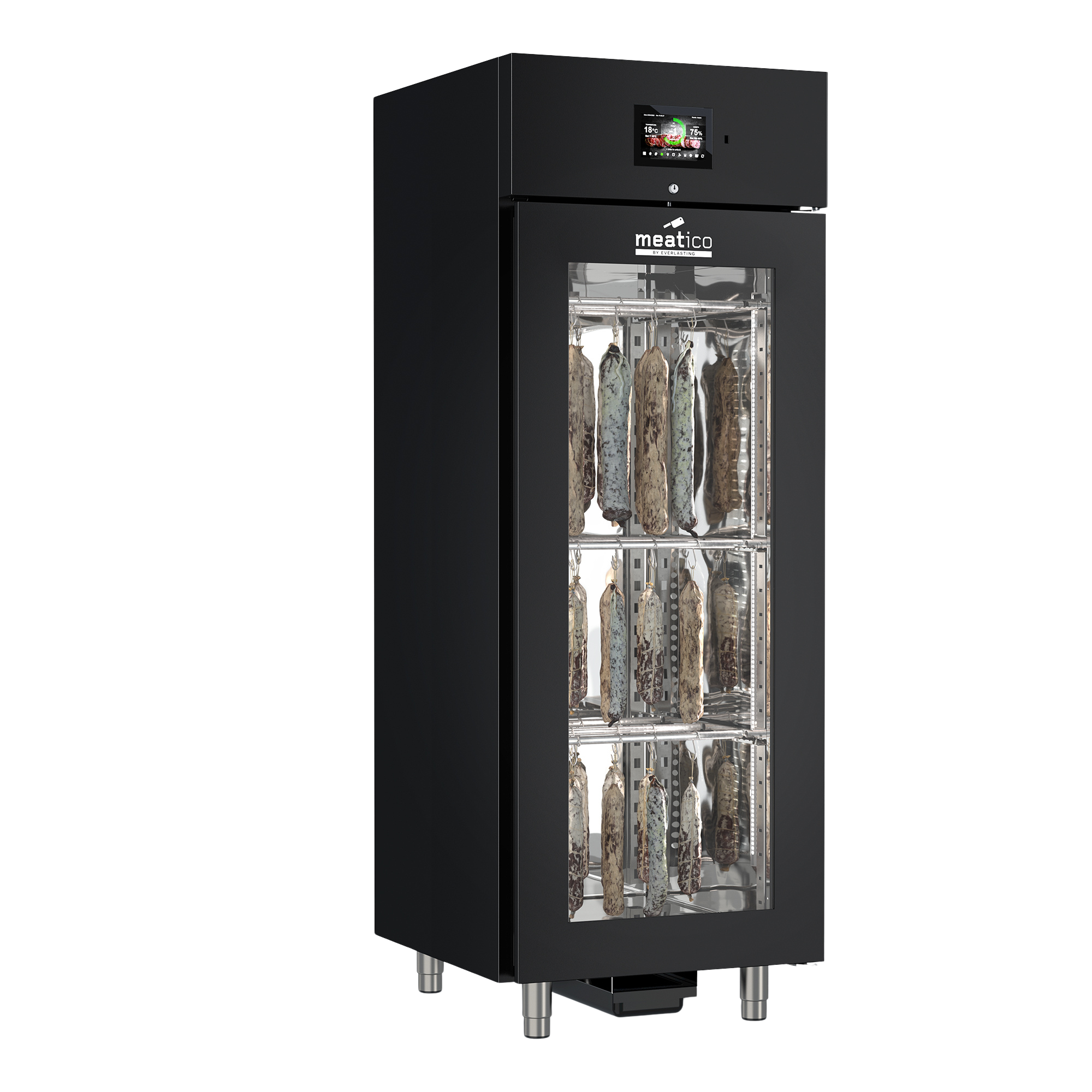
Professional charcuterie curing and Cheese ripening cabinets with precise climate control for consistent maturation.
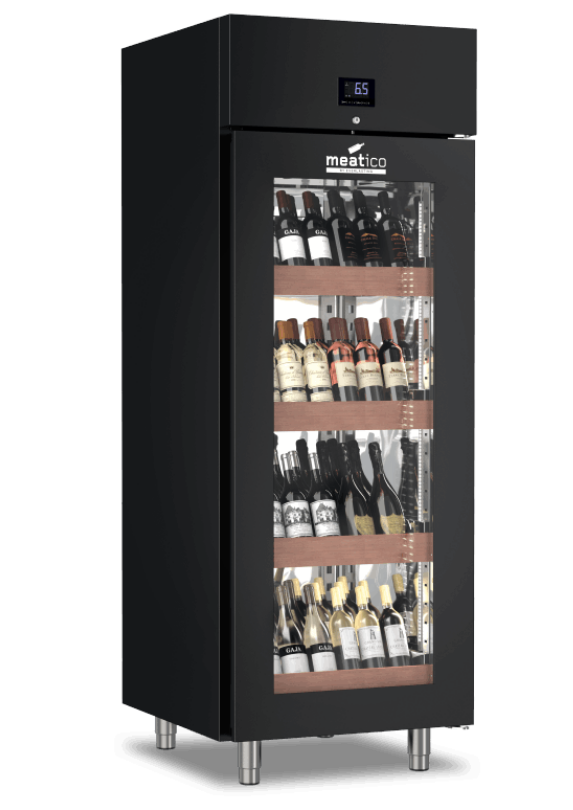
Wine Cabinets
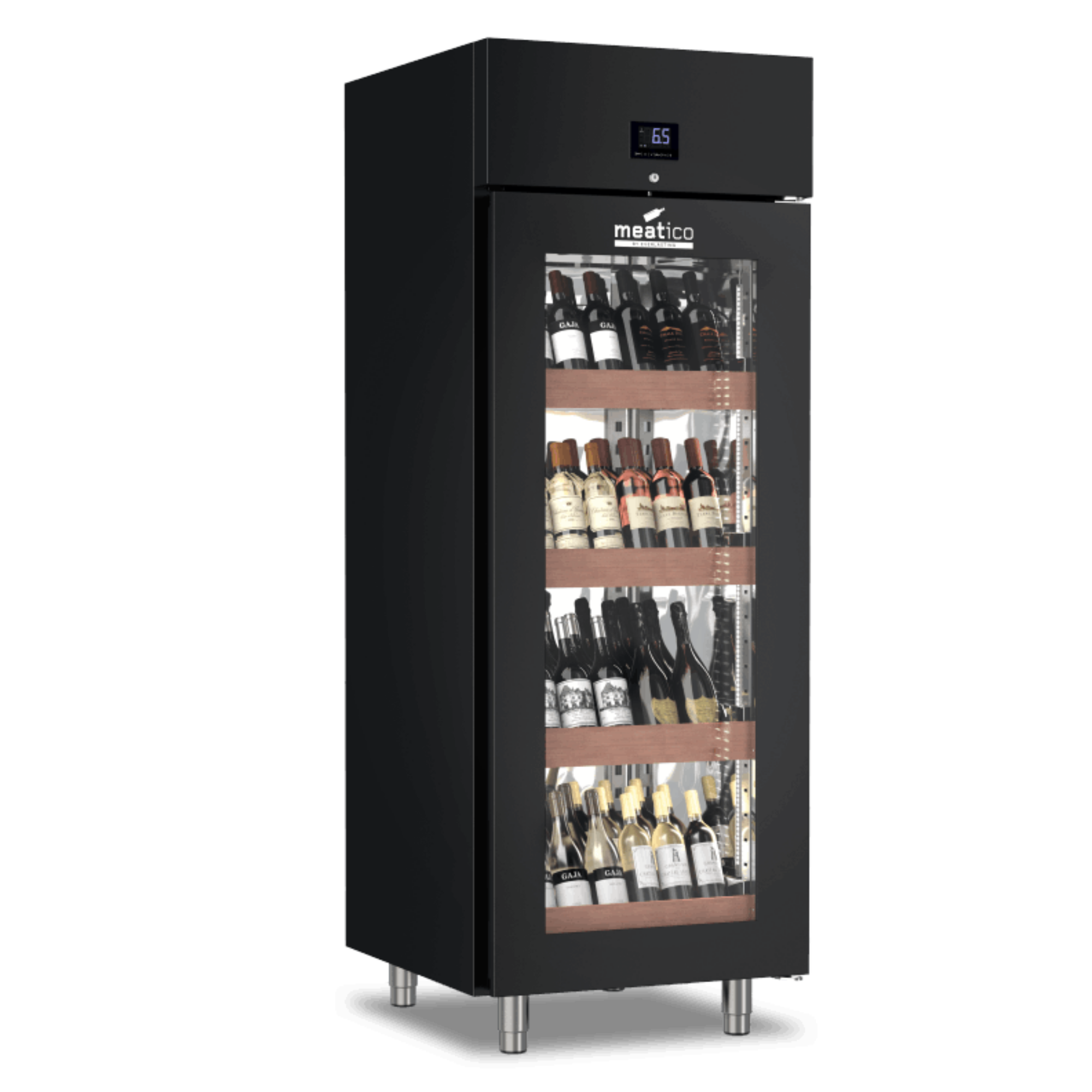
Professional wine storage cabinets with precise temperature and humidity control, featuring drawer systems for smooth access and presentation.